Sokcho
Winter in SokchoSokcho is a seaside resort town where winter’s quiet and the Korean border’s unresolved tension shape ordinary life. Its coast is both an attraction and a guarded edge: tourists, boats, and spring are expected, while the electrified wire along the shore marks a conflict that has not ended. The town’s mix of seasonal commerce, improvised lodging, and exposed coastline gives physical form to the novel’s sense of waiting.
Setting and Winter
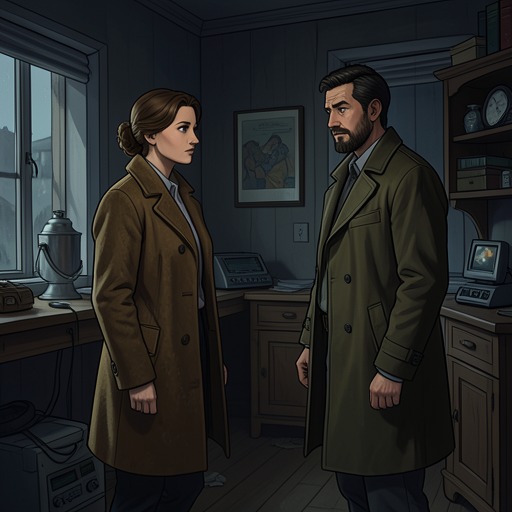
The town stretches along a beach the narrator loves despite the electrified barbed wire running beside it. The border with North Korea lies less than sixty kilometres away. Farther inland, the harbor’s building works provide a stark backdrop to the winter shoreline. When Yan Kerrand walks along the beach, a dog rises from a pile of nets to follow him; a worker calls it back, and Kerrand continues toward the narrator. The small encounter unfolds amid working nets and a wind-scoured coast, not a secluded resort landscape.
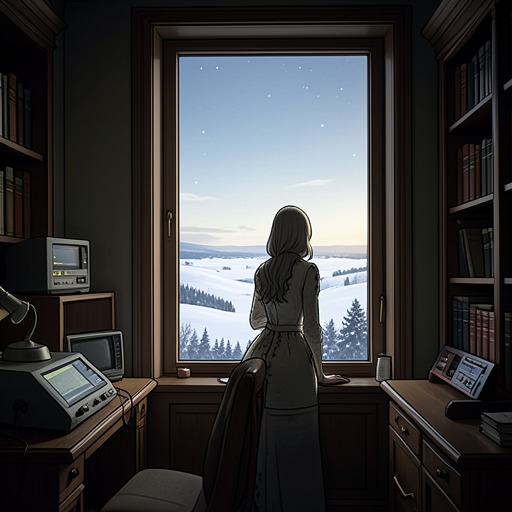
Winter narrows the town’s prospects. The narrator explains that Sokcho is a seaside resort with little to do at that time of year, and visitors are few. The nearby Seoraksan National Park is an excursion, but snow makes a good pair of boots advisable. The season is not merely weather: it determines who arrives, how the town earns a living, and how long its residents appear to wait for activity to return.
Lodging and Local Commerce
The town’s accommodation reflects that uneven seasonal life. Old Park’s Guest House occupies two buildings. The main building contains reception, a kitchen and visitors’ lounge, with guest rooms along two corridors. Orange and green walls catch the bluish light of the bulbs. Old Park has preserved a style of hospitality associated with the postwar years, when strings of blinking lights drew visitors in. The house is absent from guidebooks; people often arrive by chance, after drinking too much or missing the last bus.
Behind the main building, down a long alley, a restored traditional house stands on stilts. Its two rooms have heated floors and paper dividing walls, and an internal courtyard holds a frozen fountain and a bare chestnut tree. In winter, the empty fountain and leafless tree make the lodging feel as seasonally suspended as the town outside. The guest house’s business has been slow since Old Park’s wife died the previous year, and he has closed the upstairs rooms. The remaining space is still enough to accommodate the few guests who come, including Kerrand in the separate building.
Commerce continues in smaller, more immediate forms. On the way back to reception, the narrator passes through Sokcho Fish Market to collect leftovers her mother has set aside at stand forty-two. Elsewhere, a pork-ball stall scents the alley with garlic. Such details connect the resort town to the work of selling, preparing, and sharing food, even when tourist business is thin. Sokcho is not empty; its winter quiet is threaded with local routines.
Coastline and the Border
The shore’s guarded boundary changes the meaning of the beach. The narrator sees its barbed-wire line as a scar, and the proximity of North Korea makes the coast more than a view for visitors. Hotels rise and neon signs advertise leisure, but those signs coexist with a militarized border. The narrator describes the beaches as waiting for the end of a war and life as balanced on a knife-edge, a condition in which the apparent normality of resort development can give way at any moment.
That danger is not abstract. The narrator recalls that the previous summer a tourist from Seoul was shot by a North Korean soldier while swimming, unaware that she had crossed the border. The episode makes the coastline’s boundary consequential at the level of an ordinary holiday activity: swimming can become a fatal crossing. The beach’s beauty and its danger therefore remain inseparable, and the town’s resort identity cannot erase the suspended conflict that surrounds it.
A Town of Waiting
Sokcho’s waiting recurs as a way of describing both its economy and its emotional atmosphere. The town waits for tourists and boats, but also for men and spring. Its fish-filled winter streets, harbor construction, neon hotels, and sparse visitors offer different versions of that pause: movement is visible, yet the expected arrival of a fuller season has not come. The narrator’s image of a winter that never ends joins this seasonal stillness to the unresolved war.
The setting consequently holds opposing realities without reconciling them. Sokcho is a resort with guest rooms, food stalls, and a beach; it is also a border town where a fence interrupts the shore and a past shooting remains part of how the coast is understood. Its distinctive force lies in that coexistence. The town’s ordinary life continues, but its promises of leisure and renewal remain shadowed by a boundary whose end has not arrived.